Recycling and Sustainability for Landscapers Gunnersbury
 Landscapers Gunnersbury is committed to delivering an eco-friendly waste disposal area and a genuinely sustainable rubbish area for domestic and commercial projects across West London. Our approach is built around practical recycling, careful sorting, and lower-impact transport, so garden waste, green offcuts, and mixed site debris are handled with as little environmental cost as possible. We aim to keep reusable material in circulation, reduce landfill dependency, and support a cleaner local landscape through everyday responsible operations.
Our recycling and sustainability strategy starts with separation at source. Whenever possible, we sort materials into distinct waste streams such as green waste, timber, soil, metal, cardboard, and general residue. This helps improve the quality of recoverable material and supports higher recycling yields. In line with the way nearby boroughs encourage better waste separation, we also work with practical sorting methods that make it easier to divert suitable waste from disposal and into recovery routes. For landscapers in Gunnersbury, that means more thoughtful handling of cuttings, packaging, and renovation waste from the very beginning.
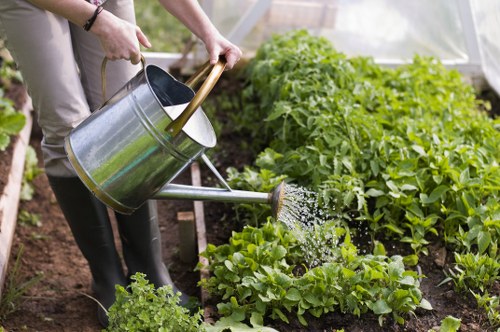 A key goal for our Landscapers Gunnersbury recycling service is to achieve a recycling percentage target of 90% across suitable collected waste streams. That target reflects our focus on diverting organic materials, untreated wood, and selected recyclables away from landfill. While some waste types must still be treated as residual rubbish, we work continuously to increase the proportion that can be recovered through sorting, transfer, and specialist processing. By setting a clear percentage target, we create measurable accountability for sustainability in everyday landscaping and clearance work.
We use local transfer stations and nearby processing facilities to reduce travel distances and improve waste handling efficiency. For a sustainable rubbish area like ours, this matters because shorter routes usually mean lower emissions and faster turnaround times. The use of local transfer stations also helps us separate material more effectively before it is passed on for recycling, composting, or further treatment. In practice, this means that soil, green waste, rubble, and mixed light waste can be assessed more accurately and routed to the right facility without unnecessary miles on the road.
Our recycling activity is especially relevant to landscaping because outdoor work generates a wide variety of recoverable materials. Grass cuttings, hedge trimmings, branches, leaves, and other green arisings can often be sent to composting or organic recovery streams. Untreated timber can be processed for reuse or recycling, while metal fixings, wire, and certain packaging materials can be separated for material recovery. In boroughs that place emphasis on clean separation, these habits align well with local expectations around household and commercial waste management, helping support a more efficient regional recycling system.
 We also build sustainability into our transport choices. Our fleet includes low-carbon vans designed to reduce emissions during collection and transfer, helping us serve the area with less environmental impact than older, less efficient vehicles. These vans support our wider commitment to cleaner operations by lowering fuel use and improving route efficiency. Combined with planned collection schedules, this creates a more sustainable model for moving landscaping waste from site to transfer station and then on to the right recovery destination.
Partnerships with charities are another important part of our sustainability work. When materials are suitable for reuse, we look for ways to redirect them through charitable and community-led channels rather than treating them as waste. Items such as reusable timber offcuts, plant pots, planters, garden edging, and selected surplus materials may be passed on where they can benefit community gardens, local projects, or charitable reuse schemes. This helps extend the life of useful items and supports a circular approach that values reuse before disposal.
For the eco-friendly waste disposal area we manage, sustainability is not only about recycling rates but also about responsible decision-making at every stage. We aim to minimise contamination in waste loads, because cleaner loads are easier to recycle and less likely to be rejected by processing facilities. That is why we encourage careful segregation of different waste types, especially in mixed landscaping jobs where soil, plant matter, plastics, and construction-related debris may appear together. Keeping streams separate improves resource recovery and helps reduce the overall carbon footprint of each project.
Our waste handling process also supports local environmental priorities by reducing pressure on landfill and encouraging smarter use of recovered materials. In many cases, green waste can be composted into useful soil improver, wood can be chipped for biomass or mulching applications, and inert materials can be directed toward reuse or aggregate recovery. This practical recycling approach is well suited to the varied needs of Gunnersbury and nearby boroughs, where efficient waste separation helps keep streets, gardens, and shared spaces tidy while supporting wider sustainability goals.
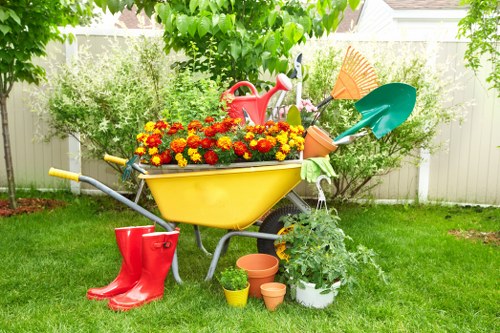 Sustainability for Landscapers Gunnersbury also means thinking beyond collection. We review routes, loading methods, and handling procedures to make sure waste moves through the system with minimal unnecessary impact. Where possible, loads are combined efficiently, vehicles are dispatched with care, and recoverable materials are identified early. This reduces the number of trips needed and helps maintain a streamlined, lower-carbon service for landscaping clients who want a more environmentally responsible way to manage waste.
As part of our broader recycling commitment, we continue to focus on improving material recovery from projects of all sizes. Whether dealing with garden clearances, hedge work, turf replacement, or planting waste, we look for opportunities to keep suitable materials within the circular economy. That includes composting organic matter, recycling relevant packaging, and diverting reusable items to charitable partnerships whenever possible. By combining separation, transfer station use, and lower-emission transport, we provide a model for greener landscaping waste management in the local area.
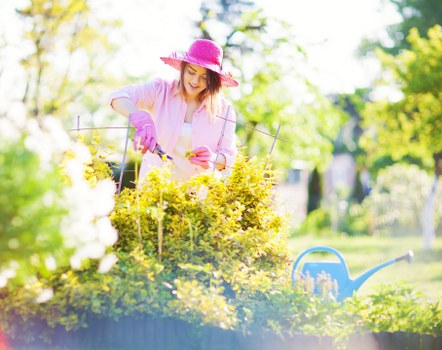 In a sustainable rubbish area, every small improvement matters. From the way waste is sorted on site to the vehicles used to carry it away, each step can reduce environmental impact and improve recycling performance. Landscapers Gunnersbury remains focused on practical, measurable sustainability: a 90% recycling target, local transfer station use, charity partnerships for reusable materials, and low-carbon vans that support cleaner collections. Together, these choices help create a more responsible waste solution for gardens, grounds, and landscaping projects across the area.

